Ever since regular census operations were started, the percentage of Muslims has grown every decade in British India, independent India, Pakistan … - Koenraad Elst
""
Ever since regular census operations were started, the percentage of Muslims has grown every decade in British India, independent India, Pakistan and Bangladesh.
English
Collect this quote
About
Koenraad Elst
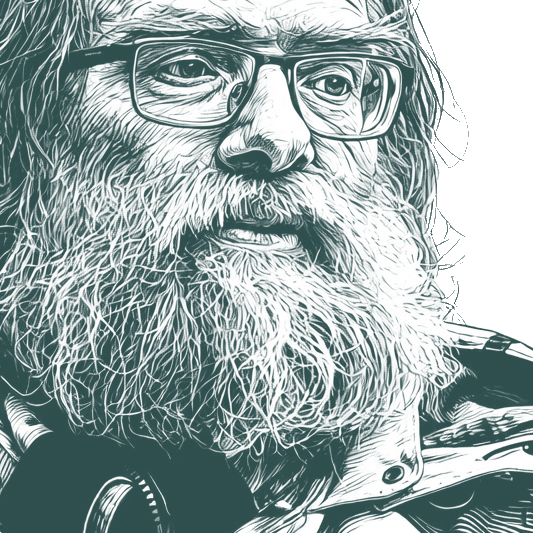
Koenraad Elst (born 7 August 1959) is a Flemish right wing Hindutva author, known primarily for his support of the Out of India theory and the Hindutva movement. Scholars have accused him of harboring Islamophobia.
My position, that a Hindu sacred place should simply be left to the Hindus, will be shared by any unbiased person: it is a natural insight not needing any "influencing", to approve a community's right to its own traditional sacred places.
Ostensibly the hymn is from the final stage of Rig-Vedic composition, shortly before Veda-Vyasa’s final editing of the hymns into the fully-formed Vedas. It soon became the Vedic bedrock of varna doctrine and gets reproduced or quoted to that effect in younger Vedic writings, including the Atharva & Yajur Veda (so, there also interpolations?), the Panchavimsha Brahmana, Taittitiya Aranyaka, Mahabharata and Bhagavata Purana.
Throughout the whole field of Hindu Studies, you just have to get used to the omnipresence, though in different doses, of the Marxist-inspired reduction of religion to worldly categories. Prominent among these is “appropriation”, as in e.g. “cultural appropriation” or indeed “sacredness as a form of land appropriation”. There are power dynamics, to be sure, but you’re never going to understand Rama worship and the place of the Ayodhya site in it by forever dragging it down to the political level; just as Romila Thapar or Richard Eaton were fated never to understand the Muslim invaders’ iconoclastic zeal given their reduction of temple destruction to a mere political statement. It is an occupational hazard of post-religious scholars of (or opinionators on) religion that they just don’t understand the passion involved in their subject, including the destructive passion springing from a religion’s iconoclastic doctrine.