British statesman (1804–1881)
Benjamin Disraeli, 1st Earl of Beaconsfield (21 December 1804 – 19 April 1881) was a British politician, novelist, and essayist, serving twice as Prime Minister of the United Kingdom. The anniversary of his death on 19 April is known as Primrose Day.
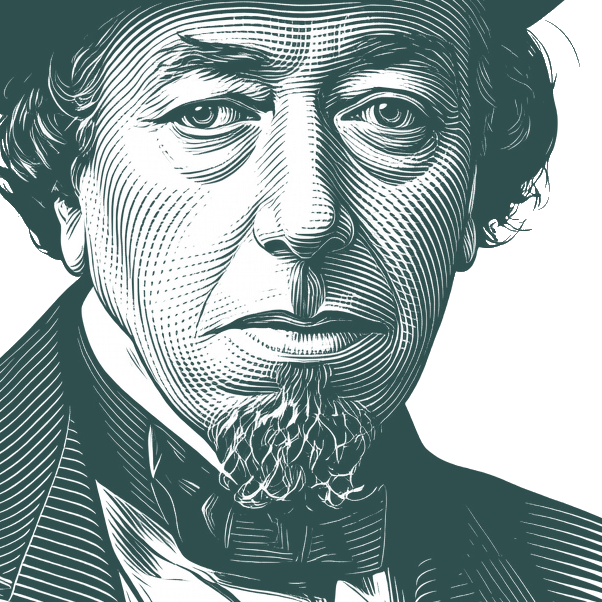
Bio from: Wikiquote (CC BY-SA 4.0) · Portrait adapted from: Wikimedia Commons, Cornelius Jabez Hughes (Public domain / CC0)
From Wikidata (CC0)

Generally speaking, all the great events have been distorted, most of the important causes concealed, some of the principal characters never appear, and all who figure are so misunderstood and misrepresented, that the result is a complete mystification, and the perusal of the narrative about as profitable as reading the Republic of Plato or the Utopia if More.
Works in ChatGPT, Claude, or Any AI
Add semantic quote search to your AI assistant via MCP. One command setup.
Liberal opinions are the opinions of those who would be free from certain constraints and regulations, from a certain dependence and duty which are deemed necessary for the general or popular welfare. Liberal opinions are very convenient opinions for the rich and powerful. They ensure enjoyment and are opposed to self-sacrifice. The holder of Liberal opinions, for example, maintains that the possession of land is to be considered in a commercial light and no other. He looks to the income which it will afford him. It is not a Liberal opinion that the holder of land should incur the duty of executing justice and maintaining truth among the multitude for nothing. That, gentleman, is a popular principle, a principle of government for the benefit of the people, not a Liberal opinion. A poor law is also founded upon a popular principle; Liberal opinions are entirely adverse to its enactments.
Why, I say, that to tax the community for the advantage of a class is not protection; it is plunder, and I entirely disclaim it; but I ask you to protect the rights and interests of labour generally in the first place, by allowing no free imports from countries which meet you with countervailing duties; and, in the second place, with respect to agricultural produce, to compensate the soil for the burdens from which other classes are free by an equivalent duty. This is my view of what is called "protection."
They [the novels] recognised imagination in the government of nations as a quality not less important than reason. They trusted much to a popular sentiment, which rested on an heroic tradition and was sustained by the high spirit of a free aristocracy. Their economic principles were not unsound, but they looked upon the health and knowledge of the multitude as not the least precious part of the wealth of nations. In asserting the doctrine of race, they were entirely opposed to the equality of man, and similar abstract dogmas, which have destroyed ancient society without creating a satisfactory substitute. Resting on popular sympathies and popular privileges, they held that no society could be durable unless it was built upon the principles of loyalty and religious reverence. The writer and those who acted with him looked, then, upon the Anglican Church as a main machinery by one which these results might be realised. There were few great things left in England, and the Church was one.
Enhance Your Quote Experience
Enjoy ad-free browsing, unlimited collections, and advanced search features with Premium.