American author and blogger
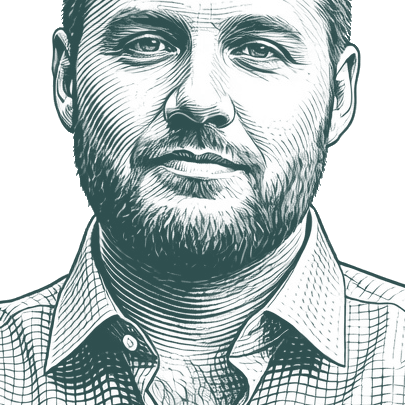
Mark Manson (born 9 March 1984) is an American self-help author, blogger and entrepreneur.
Bio from: Wikiquote (CC BY-SA 4.0) · Portrait adapted from: Wikimedia Commons, Maria Midoes (CC BY)
Showing quotes in randomized order to avoid selection bias. Click Popular for most popular quotes.
Everybody enjoys what feels good. Everyone wants to live a carefree, happy, and easy life, to fall in love and have amazing sex and relationships, to look perfect and make money and be popular and well-respected and admired and a total baller to the point that people part like the Red Sea when they walk into the room. Everybody wants that. It’s easy to want that. A more interesting question, a question that most people never consider, is, “What pain do you want in your life? What are you willing to struggle for?” Because that seems to be a greater determinant of how our lives turn out.
Improvement at anything is based on thousands of tiny failures, and the magnitude of your success is based on how many times you’ve failed at something. If someone is better than you at something, then it’s likely because she has failed at it more than you have. If someone is worse than you, it’s likely because he hasn’t been through all of the painful learning experiences you have.
And the knowledge and acceptance of your own mundane existence will actually free you to accomplish what you truly wish to accomplish, without judgment or lofty expectations. You will have a growing appreciation for life’s basic experiences: the pleasures of simple friendship, creating something, helping a person in need, reading a good book, laughing with someone you care about. Sounds boring, doesn’t it? That’s because these things are ordinary. But maybe they’re ordinary for a reason: because they are what actually matters.