English novelist and critic (1835–1902)
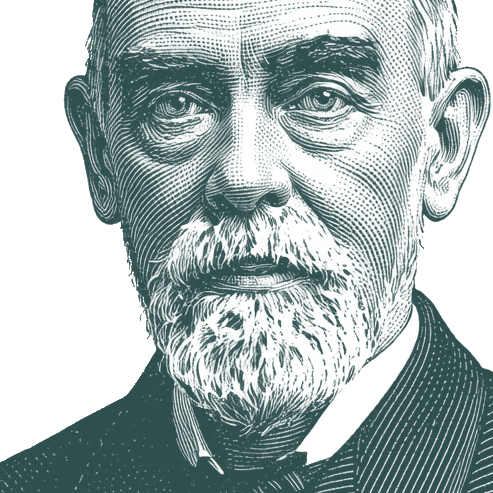
Samuel Butler (December 4, 1835 – June 18, 1902) was a British satirist, most famous for his novels Erewhon and The Way of All Flesh.
Bio from: Wikiquote (CC BY-SA 4.0) · Portrait adapted from: Wikimedia Commons (Public domain / CC0)
Alternative Names:
Cellarius
From Wikidata (CC0)
Showing quotes in randomized order to avoid selection bias. Click Popular for most popular quotes.
I could hardly avoid a sort of suspicion that some of those whom I was taken to see had been so long engrossed in their own study of hypothetics that they had become the exact antitheses of the Athenians in the days of St. Paul; for whereas the Athenians spent their lives in nothing save to see and to hear some new thing, there were some here who seemed to devote themselves to the avoidance of every opinion with which they were not perfectly familiar, and regarded their own brains as a sort of sanctuary, to which if an opinion had once resorted, none other was to attack it.
No one with any sense of self-respect will place himself on an equality in the matter of affection with those who are less lucky than himself in birth, health, money, good looks, capacity, or anything else. Indeed, that dislike and even disgust should be felt by the fortunate for the unfortunate, or at any rate for those who have been discovered to have met with any of the more serious and less familiar misfortunes, is not only natural, but desirable for any society, whether of man or brute.
Italians, and perhaps Frenchmen, consider first whether they like or want to do a thing and then whether, on the whole, it will do them any harm. Englishmen, and perhaps Germans, consider first whether they ought to like a thing and often never reach the questions whether they do like it and whether it will hurt. There is much to be said for both systems, but I suppose it is best to combine them as far as possible.