Do you think freedom is something good?’ ‘The greatest good of all.’ ‘Can anyone in possession of the greatest good be unhappy or unfortunate?’ ‘No. - Epictetus
""
Do you think freedom is something good?’ ‘The greatest good of all.’ ‘Can anyone in possession of the greatest good be unhappy or unfortunate?’ ‘No.
Epictetus (c. 55 – c. 135 AD), born a slave, was a Greek Stoic philosopher. His words were recorded by his student Arrian in the Discourses and Enchiridion written in the early 2nd-century.
Biography information from
Wikiquote·
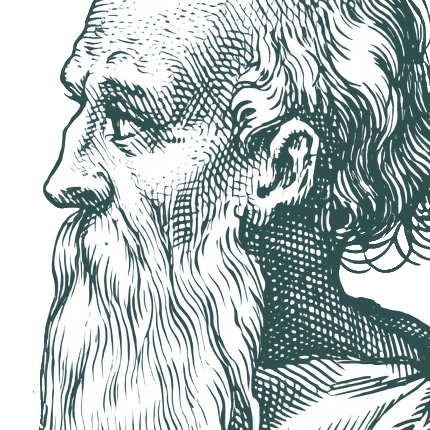
Portrait adapted from
Wikimedia Commons, Theodoor Galle (Public domain / CC0)
Also Known As
Native Name:
ΕΠΙΚΤΗΤΟΣ
Alternative Names:
Epictetus of Hierapolis
•
Epiktetos
The will of nature may be learned from those things in which we don't distinguish from each other. For example, when our neighbor's boy breaks a cup, or the like, we are presently ready to say, "These things will happen." Be assured, then, that when your own cup likewise is broken, you ought to be affected just as when another's cup was broken. Apply this in like manner to greater things. Is the child or wife of another dead? There is no one who would not say, "This is a human accident." But if anyone's own child happens to die, it is presently, "Alas! how wretched am I!" But it should be remembered how we are affected in hearing the same thing concerning others.
If the Divine is faithful, he also must be faithful; if free, he also must be free; if beneficent, he also must be beneficent; if magnanimous, he also must be magnanimous. Thus as an imitator of God must he follow Him in every deed and word.
Go Premium
Support Quotewise while enjoying an ad-free experience and premium features.